Help Your Students, Children, or Team Ask Better Questions -Instantly
Give them simple forms that guide them from confusion – clarity step by step
It’s normal to be confused. It’s genius to stay with it long enough to reach understanding.
A samll gift that helps every student be heard.
A Simple Gift
from a Shy Student
Some students have questions…
but don’t always feel comfortable asking.
Give any teacher a simple QR poster that lets evry student ask questions, quietly, honestly and without fear.
Create A Free
QR Poster
Free .Quich .Easy
Prefer a Professional Version?
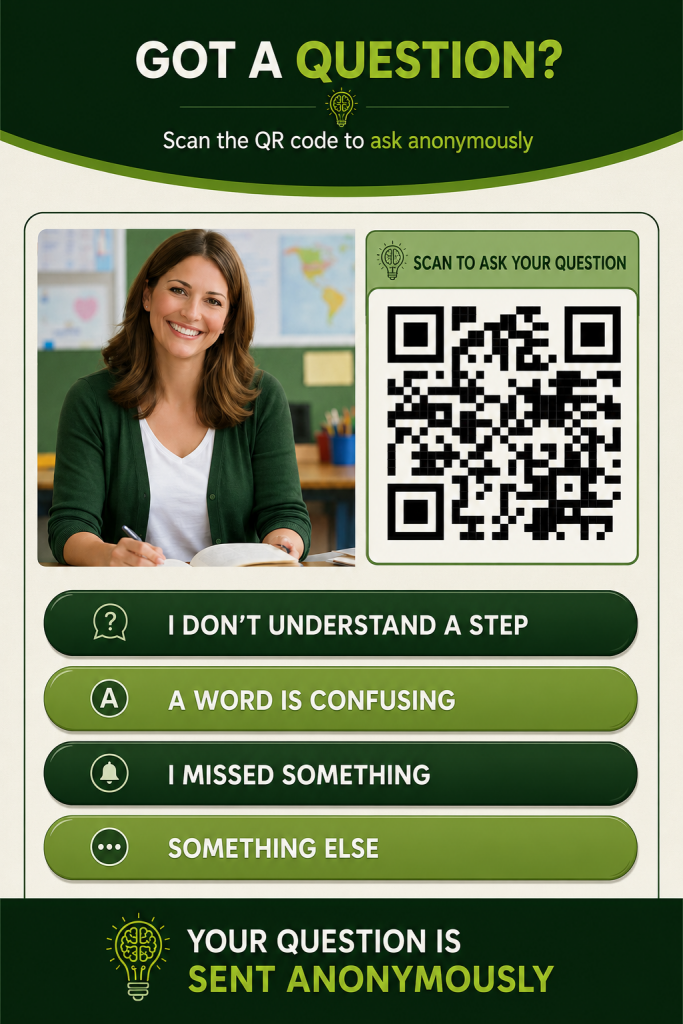
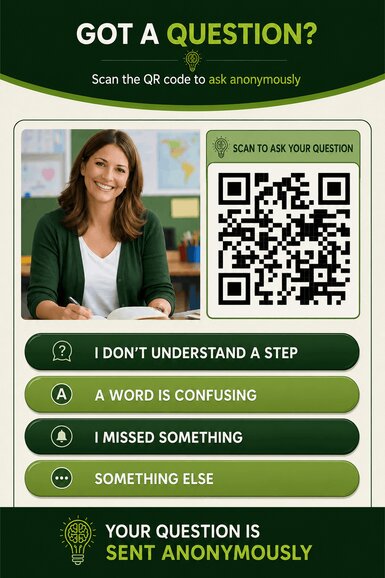
Got A Question?
Scan the QR code to ask anonymously
- Your Question is sent anonymously
AI summaries coming soon
Help us build tools that make every voice heard.
Support this mission
Your donations help us build AI features for classrooms.
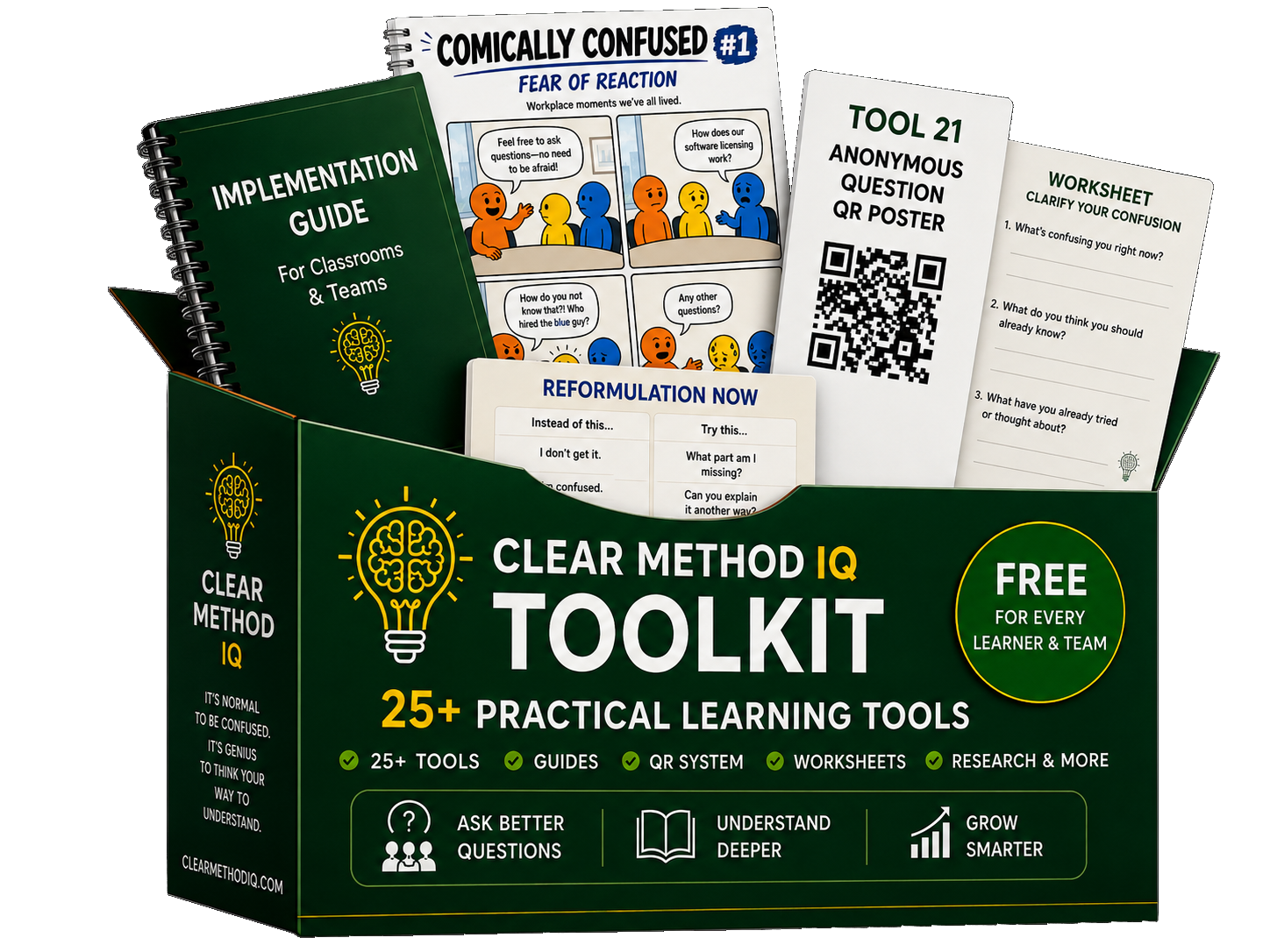
Tool 21: Anonymous Question QR Poster.
A Simple Gift from a Shy Student
Some students have questions…
but don’t always feel comfortable asking.
Give any teacher a simple QR poster that lets every student ask questions, quietly, honestly and without fear.
AI summaries coming soon
Help us build tools that make every voice heard.
Support this mission
Your donations help us build AI features for classrooms.
Clarity Culture Visual Toolkit
Posters That Make it Safe to Admit What You
Don’t Know.
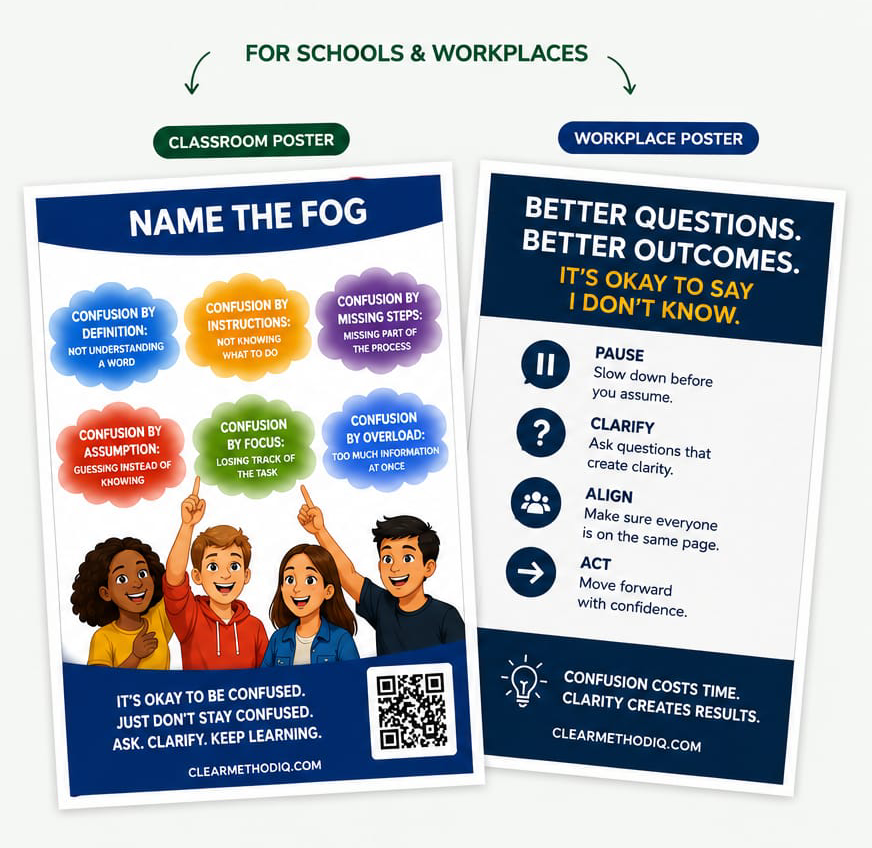
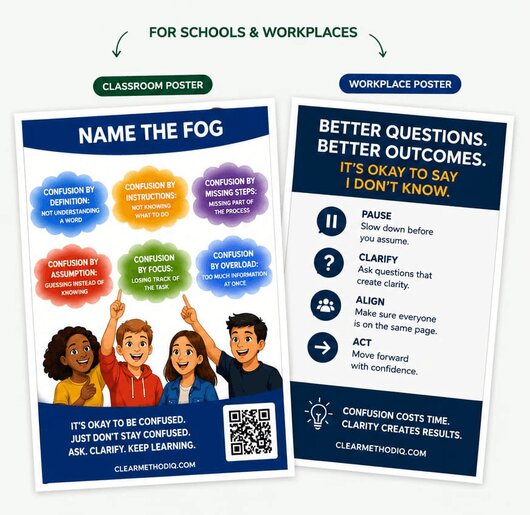
Printable posters for classrooms and workplaces that normalize confusion, encourage questions, and build a culture of clarity and confidence.
Instant Download
Print
Ready
For Teachers & Parents
For
Team
Build a Culture of Clarity
These visual reminders help normalize not knowing, encourage better questions and strengthen learning and teamwork.
-
Encourages Question
Asking
-
Encourages Question
Asking
-
Encourages Question
Asking
-
Encourages Question
Asking
How It Works
Share a Form
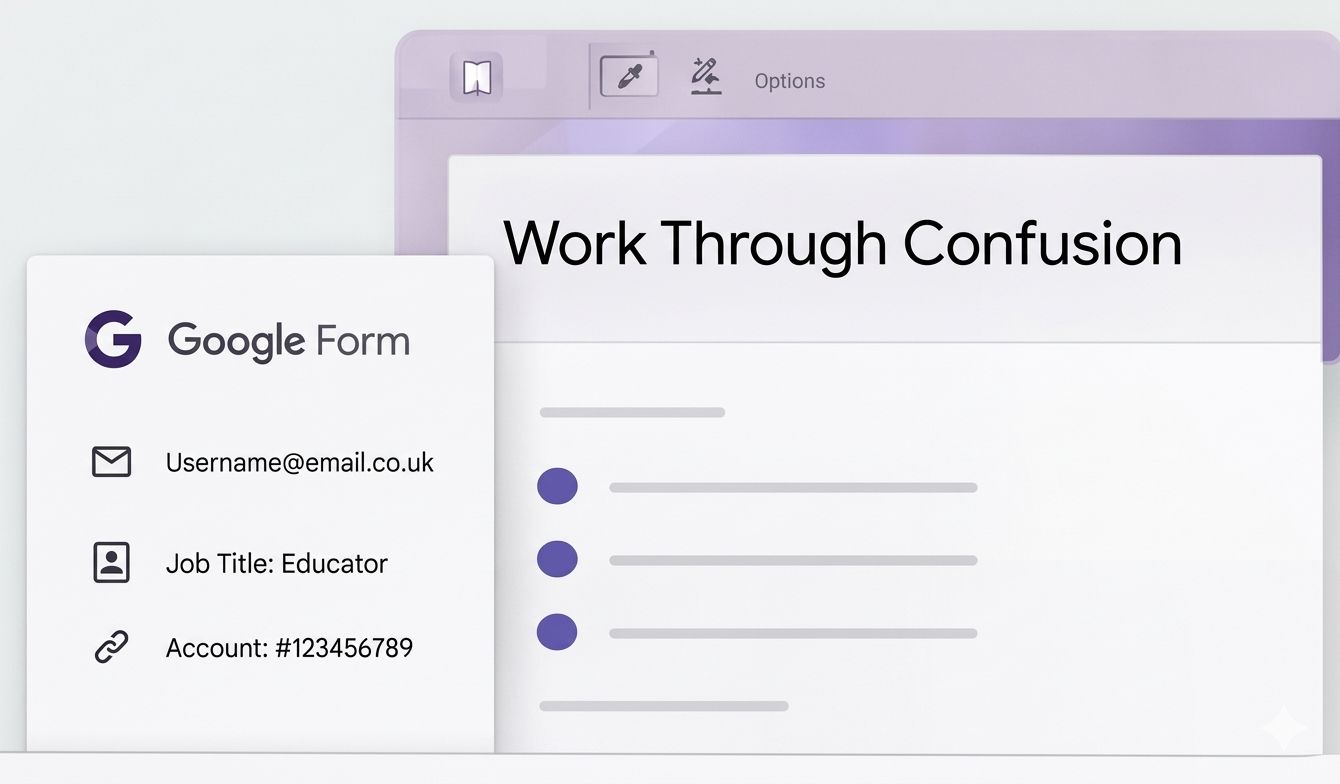
Send vour students, children, or employees a ready-made form (Google Form or printable).
They Work Through Their Confusion
No More
How It Works
1
Share a Form
Send your students or employees a
ready-made form
(Google Form or printable)
2
They Work Through Confusion
- Identify what they don’t understand
- Define it clearly
- Ask a better question
3
You Get Better Questions
No More:
- "I don’t get it"
- Silence
- Random confusion
Instead, you get:
- Clear thinking
- Specific questions
- Faster learning
Explore All 25+ Tools
Empower every student to be heard.
- Made for learners, by a learner. Thank you for being part of the movement.
How to Bring These Tools to Your
Classroom, Home, or Team
Step-by-step guidance, classroom and at-home routines, and ready-to-use tools to build a culture where confusion is safe and understanding grows.
For Educators & Parents
Practical strategies, implementation plans and tool to build understanding, improve performance and create a culture of charity in your team or organization.
For Adult Learners & Leaders
AI summaries coming soon
Help us build tools that make every voice heard.
Support this mission
Your donations help us build AI features for classrooms.
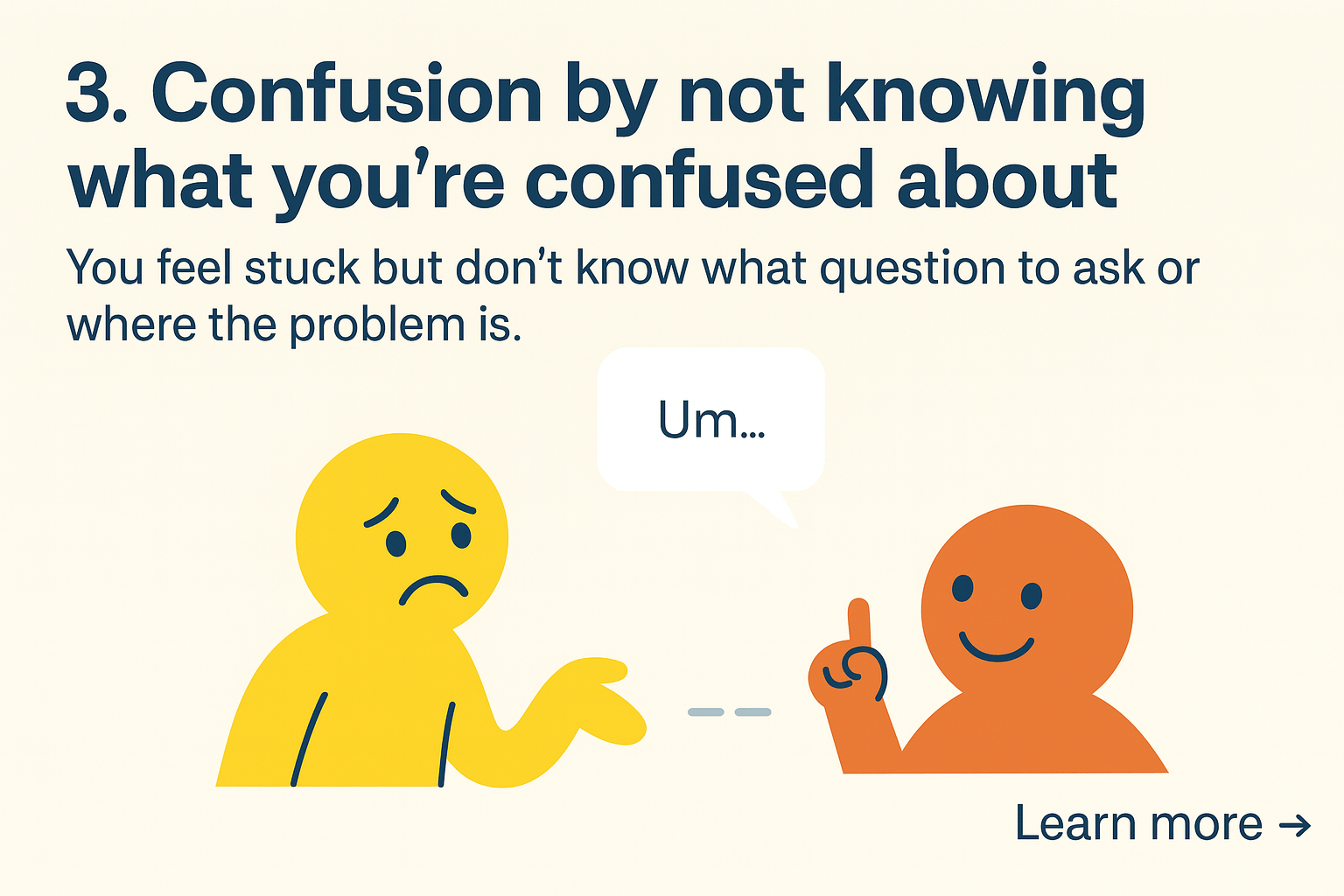
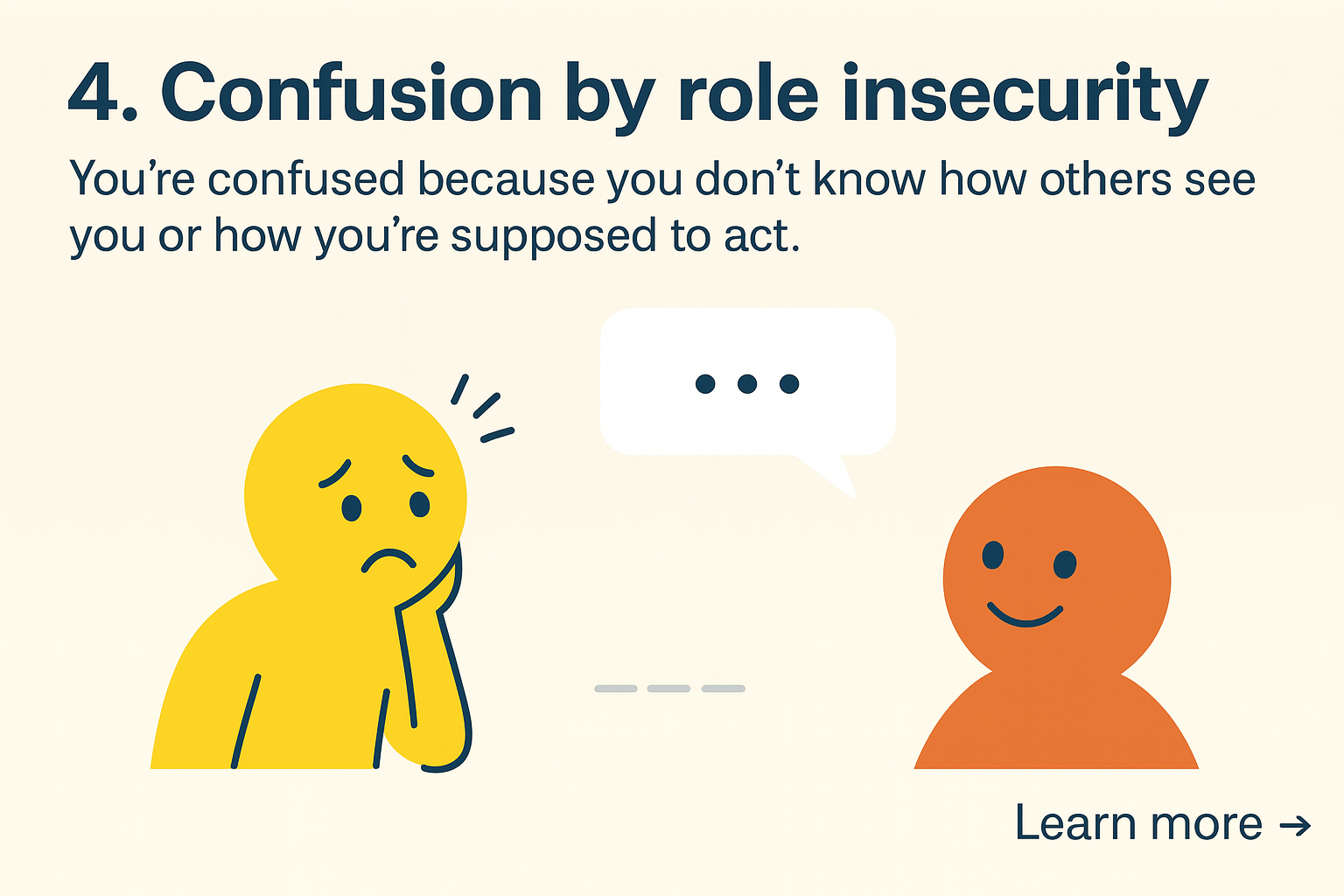
The Key to Asking Better Questions
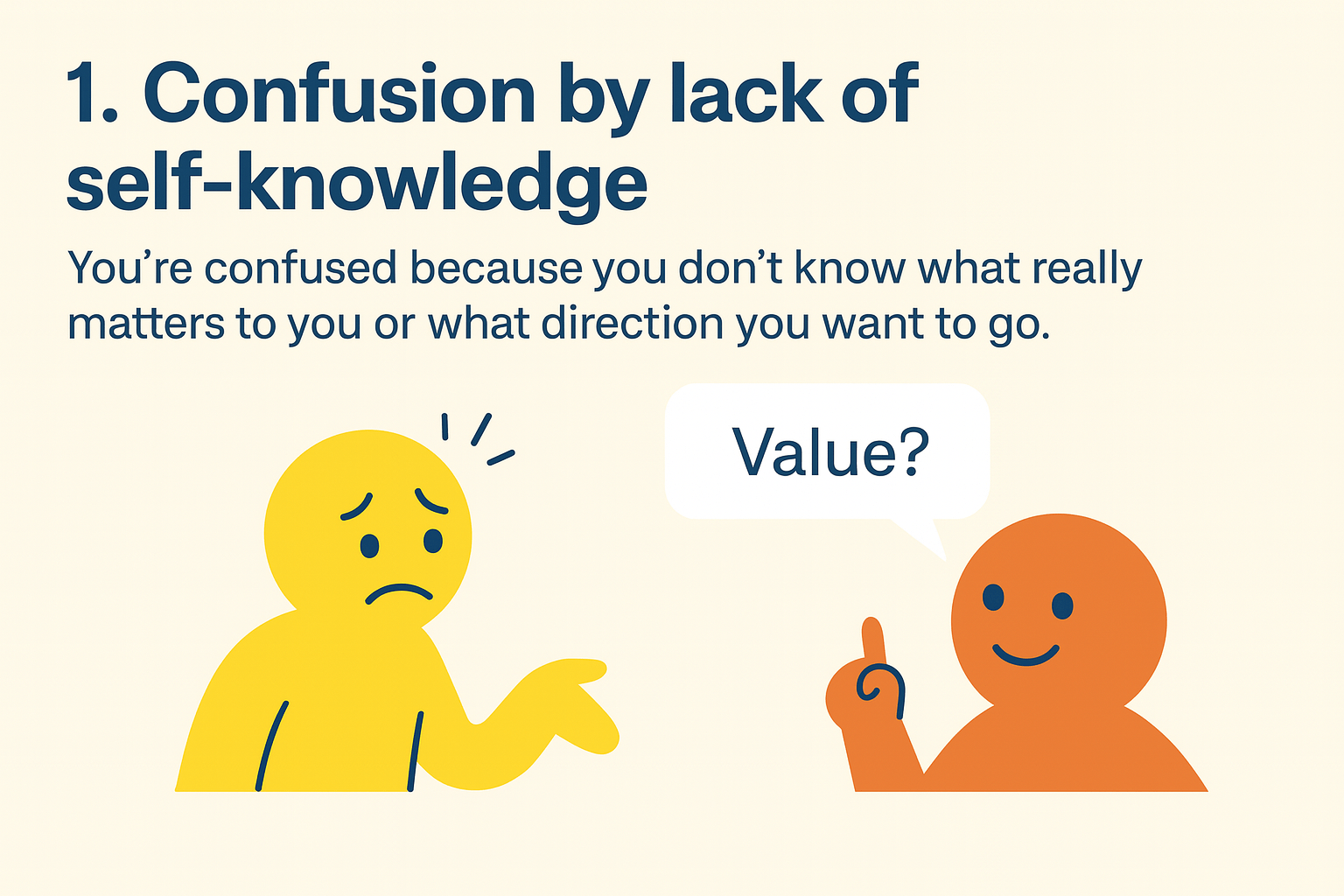
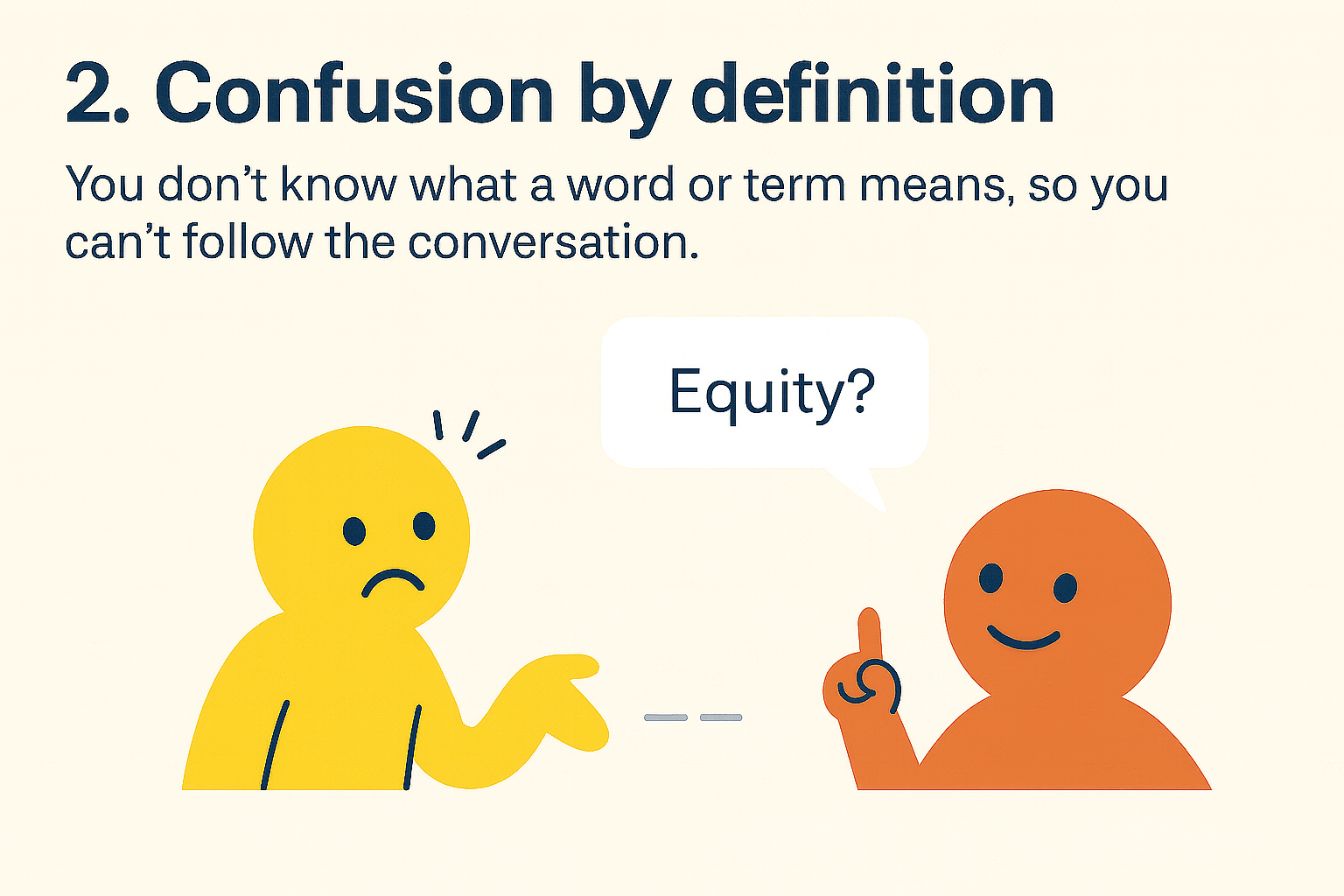
Most people try to ask better questions before they understand their confusion
If you don’t know your type of confusion... you don’t know what question to ask.
That’s why the L in the C.L.E.A.R. Method stands for Label.
Who Are We Building Clarity For?
kids Kit
Ages 7-12
- Fun
- Visual
- Easy
Teens Kit
Ages 13-17
- Clarity
- Debate
- Confidence
Business Kits
Team & Leader
- Decision
- Metting
- Growth
Entrepreneurs
Idea Clarity
- Clarity
- Strategy
- Growth
The 5-Step Process Behind the Tools
A simple 5-step process that helps people go from confusion to clarity.
C
Confront your Confusion
L
E
Engage with Clarifying Questions
A
R
Retell
C
Confront Your Confusion
Notice and bravely admit when you don’t understand.
L
Label It Clearly
Define exactly what’s confusing you in simple words.
E
Engage With Clarifying Questions
Ask questions that get to the root of your confusion.
A
Analyze
Gather insights from multiple trusted sources.
R
Retell
Tell it back in your own words to ensure you truly understand.
Research Behind This Approach
Decades of research in metacognition and learning science show that recognizing what you do not understand is a critical step toward deeper learning.
Researchers have found that students learn more effectively when they monitor their understanding, wrestle with difficult ideas, and work through confusion instead of avoiding it.
View the Research and Citations
Research Foundations
Metacognition
John Flavell
Research shows that effective learners monitor their own understanding and recognize when they are confused. This awareness helps them ask better questions and adjust their learning strategies.
Productive Failure
Manu Kapur
Students who attempt to solve complex problems before receiving instruction often develop stronger conceptual understanding.
Desirable Difficulties
Robert Bjork (UCLA)
Learning can become stronger when the brain must work through challenges rather than receiving answers immediately.
Self-Regulated Learning
John Dunlosky
Monitoring what you know and do not know is an important part of effective learning.
Citations
- Flavell, J. H. (1979). Metacognition and cognitive monitoring: A new area of cognitive–developmental inquiry. American Psychologist.
- Kapur, M. (2008). Productive failure. Cognition and Instruction.
- Bjork, R. A. (1994). Memory and metamemory considerations in the training of human beings.
- Dunlosky, J., & Metcalfe, J. (2009). Metacognition.
Comfortably Confused Geniuses
Many of the world’s greatest breakthroughs didn’t come from people who understood everything immediately. They came from people who stayed with confusion long enough to reach understanding.
View the Geniuses
Comfortable in confusion. Focused on clarity.
“It’s not that I’m so smart. It’s just that I stay with problems longer.”
Working in the dark. Determined to bring the world light.
“Thousands of experiments failed before Edison developed a practical light bulb.”
He didn’t fear being wrong.
He feared quitting too soon.
5,126 failures. One breakthrough.
James Dyson built 5,126 vacuum prototypes before prototype 5,127 finally worked.
Persistence—not instant understanding—made the difference.
The 40th Attempt Changed Everything
WD stands for Water Displacement.
The formula finally succeeded on the 40th attempt after 39 unsuccessful tries.
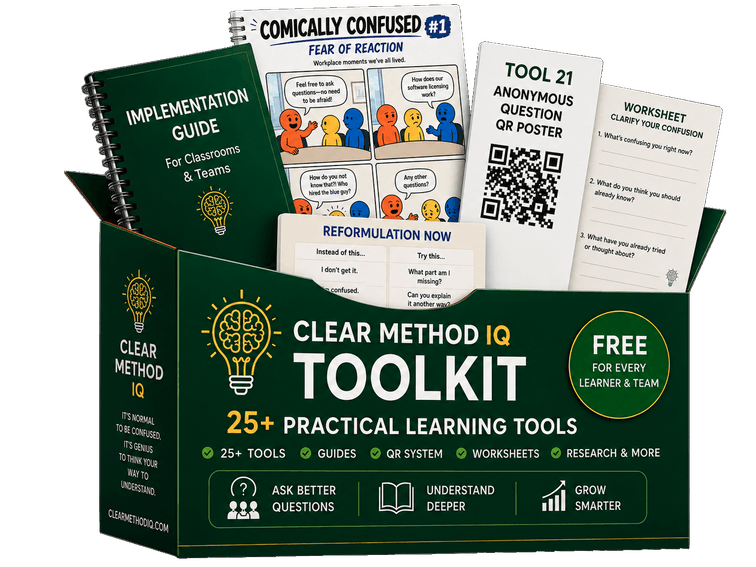
Here's What You Actually Get
Structured tools. Real Worksheets. Immediate Clarity.
Ready to Join the Movement?
We’re building a community of anonymous learners—people who believe confusion isn’t weakness, it’s where learning begins. Join the forum to share insights, name new confusion types, and even contribute your own methods. This is open-source understanding. And you’re invited
Stay Connected to the Mission
We’re building tools for people who value learning, patience, and honest confusion. Want to stay updated as the method evolves? Get announcements, new resources, and ways to contribute—right in your inbox. Fill out the form below to stay in the loop. We’d love to hear from you.